
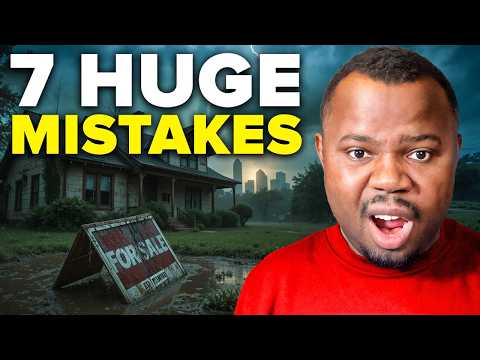
Real estate investing can be one of the most powerful wealth-building tools available—but only if you follow the right real estate investment strategies and avoid the mistakes that quietly destroy returns.
After 7 years of real estate investing, owning rental properties, and helping 400+ investors take action in markets like Houston, I’ve learned this truth the hard way:
Most investors don’t fail because real estate doesn’t work.
They fail because they pick the wrong strategy—or too many at once.
This guide breaks down the most proven real estate investment strategies, who each strategy is for, and how to choose the right one based on your income, time, and risk tolerance.
Why a Strategy Matters in Real Estate Investing
Going into real estate without a clear plan is one of the fastest ways to lose money.
Successful investors don’t rely on luck—they rely on repeatable systems. The right real estate investment strategy helps you:
-
Control risk
-
Predict cash flow
-
Build equity consistently
-
Avoid emotional decisions
Long-term wealth in real estate is built through focus and execution, not chasing every new trend.
1. Buy and Hold (The Foundation Strategy)
Buy-and-hold is one of the most time-tested real estate investment strategies in history.
How it works:
You buy a property, rent it out, and hold it long term while tenants pay down your mortgage and the property appreciates.
Why it works:
-
Monthly rental income
-
Long-term appreciation
-
Mortgage paid down by tenants
-
Powerful tax advantages (depreciation, interest deductions)
Best for:
-
Busy professionals
-
First-time investors
-
Long-term wealth builders
Watch out for:
-
Overpaying
-
Poor tenant screening
-
Weak property management
Pro tip: Many new investors make the mistake of thinking buy-and-hold is “too slow.” In reality, it’s the backbone of nearly every large portfolio.
2. BRRRR (Buy, Rehab, Rent, Refinance, Repeat)
BRRRR is a high-growth real estate investment strategy, but it’s not beginner-friendly unless you have strong guidance.
Why investors use it:
-
Recycles capital
-
Scales faster than buy-and-hold
-
Builds equity quickly
Requirements:
-
Strong financing
-
Reliable contractors
-
Accurate rehab budgets
Best for:
-
Hands-on investors
-
Those with time and experience
Biggest mistake:
Underestimating rehab costs and timelines—this is where many investors lose money.
3. House Hacking (The Fastest Way to Start)
House hacking is one of the most powerful real estate investment strategies for beginners.
How it works:
You live in one unit and rent out the others—this can be:
-
Duplex
-
Triplex
-
Fourplex
-
Single-family home with roommates
Benefits:
-
Lower living expenses
-
Easier loan qualification
-
Faster portfolio growth
Many investors use FHA or low-down-payment loans to house hack and dramatically reduce their housing costs while building equity.
4. Short-Term & Mid-Term Rentals
Short-term and mid-term rentals can generate higher income—but they come with higher complexity.
Examples:
-
Airbnb
-
Furnished Finder (travel nurses)
-
Corporate rentals
Pros:
-
Higher cash flow potential
-
Flexible pricing
Cons:
-
More management
-
Regulation risk
-
Inconsistent income
Best for:
-
Investors with systems
-
Those willing to hire professional management
This is not passive income without a team.
5. Turnkey Rentals
Turnkey rentals are fully renovated or new properties designed to be rented immediately.
Why investors choose turnkey:
-
Minimal upfront work
-
Faster deployment
-
Ideal for out-of-state investors
Risks:
-
Inflated purchase prices
-
Weak property management
-
Lower long-term upside if overpaid
Turnkey works best when paired with strong market knowledge and conservative underwriting.
6. Real Estate Syndications (Passive Investing)
Syndications allow investors to pool money and invest in large commercial deals.
How it works:
You invest capital while an operator manages the deal.
Pros:
-
Truly passive
-
Access to large properties
-
No day-to-day management
Cons:
-
Less control
-
Capital locked up
-
Requires trust and due diligence
Best for high-income professionals who want exposure without involvement.
7. What Most Investors Get Wrong (Hard-Earned Lessons)
After years of investing, these are the biggest mistakes I see repeatedly:
-
Waiting for the “perfect time”
The best time was years ago. The second-best time is now. -
Trying every strategy at once
Pick one strategy and commit for at least 2 years. -
Overpaying for properties
The money is made when you buy—not when you sell. -
Confusing jobs with investing
Wholesaling, flipping, and sales are businesses—not investments. -
Skipping due diligence
Inspections, numbers, and location matter more than hype.
How to Choose the Right Real Estate Investment Strategy for You
Ask yourself:
-
How much time do I really have?
-
How much risk can I tolerate?
-
Do I want active income or long-term wealth?
-
What does my lifestyle allow right now?
There is no one-size-fits-all strategy—only the right strategy for your current season.
👉 Learn more in: Real Estate Investing While Working Full Time
Final Thoughts: Strategy Beats Guesswork
Real estate rewards those who:
-
Start early
-
Stay consistent
-
Execute one strategy well
The investors who win are not the smartest—they’re the most disciplined.
If you want help building a clear, personalized real estate investment strategy based on your income, goals, and timeline:
👉 Schedule your free strategy consultation with Networth Builders